با گسترش سریع ناوبری مبتنی بر ماهواره، فناوری گیرنده ضد پارازیت GNSS برای اطمینان از عملکرد موقعیتیابی قابل اعتماد ضروری شده است. از سیستمهای پهپاد تا اتوماسیون صنعتی، تقاضا برای ماژولهای ضد پارازیت GPS و گیرندههای GNSS چند منظومهای همچنان در حال افزایش است.
با افزایش منابع تداخل در سراسر جهان، کسبوکارها فعالانه به دنبال گیرندههای GNSS با کارایی بالا هستند که بتوانند عملکرد پایدار را در شرایط سیگنال پیچیده حفظ کنند.
گیرنده ضد پارازیت GNSS چیست؟
یک گیرنده ضد پارازیت GNSS دستگاه تخصصی است که برای دریافت سیگنالهای ماهوارهای طراحی شده و در عین حال تأثیر تداخل و اختلال سیگنال را به حداقل میرساند.
در مقایسه با ماژولهای استاندارد GPS، گیرنده ضد پارازیت GNSS موارد زیر را ارائه میدهد:
- مقاومت افزایش یافته در برابر تداخل الکترومغناطیسی
- ردیابی پایدار سیگنال در محیطهای پر سر و صدا
- قابلیت اطمینان موقعیتیابی بهبود یافته
- عملکرد مداوم در شرایط چالش برانگیز
این قابلیتها ماژولهای ضد پارازیت GNSS را برای سیستمهای ناوبری مدرن حیاتی میسازد.
چرا فناوری ضد پارازیت GNSS تقاضای بالایی دارد
روند جستجوی جهانی برای کلماتی مانند:
- گیرنده ضد پارازیت GNSS
- ماژول ضد پارازیت GPS
- آنتن ضد پارازیت GPS
- راه حل تداخل GNSS
به دلیل چندین عامل به طور قابل توجهی افزایش یافته است:
1. رشد کاربردهای پهپاد و هواپیماهای بدون سرنشین
وسایل نقلیه هوایی بدون سرنشین به شدت به سیگنالهای پایدار GPS متکی هستند. حتی تداخل جزئی میتواند بر کنترل پرواز و دقت ناوبری تأثیر بگذارد.
2. گسترش سیستمهای حمل و نقل هوشمند
سیستمهای مدیریت ناوگان و ردیابی وسایل نقلیه برای عملکرد مداوم در مناطق شهری و دورافتاده به ماژولهای موقعیتیابی قابل اعتماد GNSS نیاز دارند.
3. استقرار صنعتی و اینترنت اشیا
کارخانهها و سیستمهای اینترنت اشیا اغلب در محیطهایی با تداخل الکترومغناطیسی قوی فعالیت میکنند و نیاز به گیرندههای GNSS مقاوم طراحی شده است.
4. نگرانیهای امنیتی و یکپارچگی سیگنال
در دسترس بودن دستگاههای پارازیت ارزان قیمت باعث شده است که تداخل سیگنال GPS رایجتر شود و شرکتها را به سمت اتخاذ راهحلهای ضد پارازیت سوق دهد.
ویژگیهای کلیدی یک ماژول ضد پارازیت GNSS با کارایی بالا
هنگام انتخاب یک ماژول گیرنده ضد پارازیت GNSS، خریداران معمولاً بر ویژگیهای زیر تمرکز میکنند:
پشتیبانی از منظومههای ماهوارهای چندگانه
پشتیبانی از سیستمهایی مانند GPS و BeiDou در دسترس بودن سیگنال و دقت موقعیتیابی را بهبود میبخشد.
قابلیت ضد تداخل قوی
توانایی سرکوب یا کاهش تداخل سیگنال، موقعیتیابی پایدار را تضمین میکند.
طراحی یکپارچه
ماژولهای GNSS فشرده و یکپارچه، توسعه سیستم را ساده کرده و پیچیدگی سختافزار را کاهش میدهند.
مصرف برق کم
طراحی کم مصرف برای دستگاههای قابل حمل، پهپادها و سیستمهای تعبیه شده ضروری است.
پایداری و قابلیت اطمینان بالا
عملکرد مداوم در شرایط سیگنال متغیر برای کاربردهای دنیای واقعی حیاتی است.
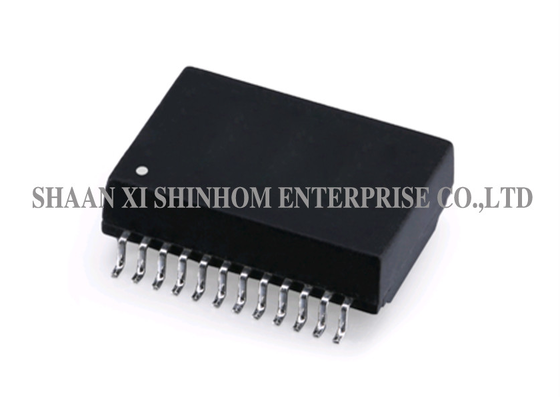
ماژول گیرنده ضد پارازیت GNSS HFD2101-2
گیرنده ضد پارازیت GNSS HFD2101-2 برای پاسخگویی به تقاضای رو به رشد برای موقعیتیابی قابل اعتماد GNSS در محیطهای تداخلی طراحی شده است.
مشخصات اصلی:
- پشتیبانی دو سیستم: GPS L1 + BeiDou B1
- طراحی ضد پارازیت یکپارچه
- ساختار فشرده و با قابلیت ادغام آسان
- مصرف برق کم برای کاربردهای تعبیه شده
این ماژول گیرنده GNSS حتی در محیطهایی با تداخل سیگنال قابل توجه، عملکرد موقعیتیابی پایداری را ارائه میدهد.
کاربردهای گیرندههای ضد پارازیت GNSS
یک گیرنده ضد پارازیت GPS مانند HFD2101-2 به طور گسترده در موارد زیر استفاده میشود:
- سیستمهای ناوبری پهپاد
- کنترل پرواز و موقعیتیابی پهپاد
- اتوماسیون صنعتی و رباتیک
- سیستمهای همگامسازی مخابراتی
- حمل و نقل هوشمند و ردیابی ناوگان
این کاربردها به دریافت مداوم و قابل اعتماد سیگنال GNSS نیاز دارند و قابلیت ضد پارازیت را به یک الزام کلیدی تبدیل میکنند.
چگونه گیرنده ضد پارازیت GNSS مناسب را انتخاب کنیم
هنگام تهیه یک ماژول ضد پارازیت GNSS، موارد زیر را در نظر بگیرید:
- آیا از چندین سیستم ماهوارهای پشتیبانی میکند؟
- آیا عملکرد ضد پارازیت برای محیط شما مناسب است؟
- آیا ادغام ماژول در سیستم شما آسان است؟
- آیا الزامات مصرف برق را برآورده میکند؟
- آیا میتواند عملکرد پایدار را در طول زمان حفظ کند؟
انتخاب درست گیرنده ضد پارازیت GPS مستقیماً بر قابلیت اطمینان سیستم و عملکرد کلی تأثیر میگذارد.
نتیجهگیری
با افزایش رایج شدن تداخل، نقش گیرنده ضد پارازیت GNSS اهمیت فزایندهای پیدا میکند. کسبوکارها و مهندسان به سمت ماژولهای GNSS با قابلیت اطمینان بالا که میتوانند در محیطهای واقعی و نه فقط در شرایط ایدهآل عمل کنند، در حال حرکت هستند.
ماژول گیرنده ضد پارازیت GNSS HFD2101-2 با ترکیب قابلیت ضد تداخل، پشتیبانی دو سیستم و مصرف برق کم، راهحلی عملی ارائه میدهد و آن را برای طیف گستردهای از کاربردهای مدرن مناسب میسازد.

 پیام شما باید بین 20 تا 3000 کاراکتر باشد!